Wholesale Console » How to value a car in auction in Australia?
Buying a car from an auction in Australia can offer real value, but only if you know how to value the car correctly. Auction pricing is not the same as dealership pricing, and many buyers make the mistake of focusing only on the hammer price.
A proper auction valuation looks at the real market value, subtracts all associated costs, and accounts for risk. This guide explains how professional buyers value cars and how retail buyers can apply the same logic to find the right car for auction in Australia to ensure they pick the right vehicle before valuing it.
Before bidding at auction, it’s essential to understand the difference between retail value and wholesale value.Many buyers overpay because they compare auction cars to dealership prices without knowing why those prices are higher.
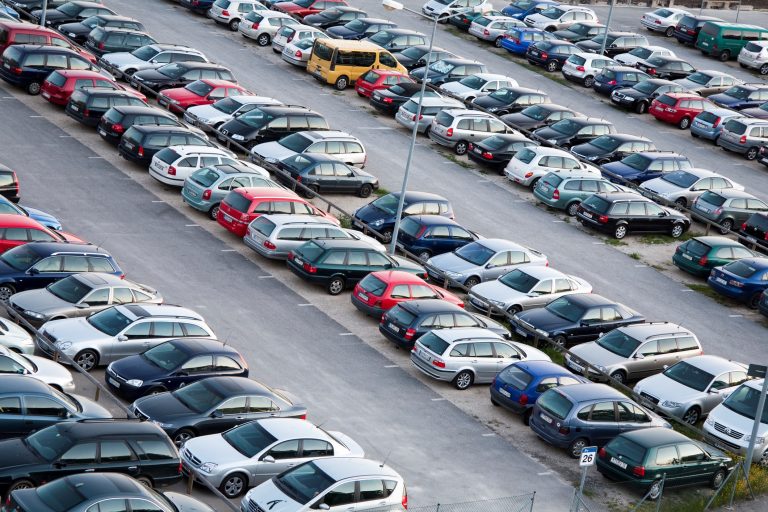
Retail valuation is the price a car is sold for to the public.
You’ll usually see retail prices on:
Retail prices are higher because they often include:
In simple terms:
Retail value is what you would expect to pay if you bought the car ready-to-drive from a dealer.
Wholesale valuation is the price paid by dealers and traders when buying cars to resell.
Wholesale prices are typically seen at:
Wholesale prices are lower because the buyer still needs to pay for:
In simple terms:
Wholesale value is the unfinished price, the car still needs work and money spent on it.Auction vehicles are sold without retail preparation, meaning buyers must still cover transport, repairs, registration, and risk. For this reason, auction prices must sit below retail value.
Auctions are wholesale marketplaces, not retail showrooms.
Professional buyers rarely rely on guesswork when valuing cars. They use multiple valuation tools to understand both wholesale and retail values.Knowing what tools professionals use will help you understand how auction cars are priced and how you can replicate their method.
Redbook is one of the most widely recognised vehicle valuation guides in Australia and is often the starting point for both dealers and buyers.
Redbook provides:
Redbook calculates values using:
How buyers should use it:
Redbook is best used as a reference guide, not a final price. Because it relies heavily on historical data, it may not reflect sudden market changes or high-demand models accurately.
Limitation: Redbook values can lag behind fast-moving markets, so they should be used as a guide, not a final price.
Autogate is a real-time valuation tool commonly used by dealers and professional auction buyers.
It works by analysing:
Why it’s important:
Autogate reflects what cars are actually trading for right now, making it especially useful during fast-moving or volatile market conditions.
Glass’s Guide is another well-established valuation tool used across the automotive industry.
It provides:
How buyers should use it:
Glass’s Guide works well as a cross-check against Redbook. If both tools show similar values, it strengthens confidence in the pricing range.
CarsGuide & Drive are not valuation tools in the traditional sense, but they provide valuable retail market context.
They help buyers understand:
How buyers should use them:
These platforms are useful for understanding how the public values certain cars, which helps when estimating future resale value.
AutoGrab is widely used by car dealers to:
Why it matters:
AutoGrab provides insight into dealer behaviour and pricing pressure, which can influence wholesale values at auction.
Many auction houses provide their own internal pricing indicators based on:
Important note:
These guides can be helpful but may lean optimistic, so they should always be verified against independent data.
Some professional buyers rely on:
These assessments consider:
For retail buyers:
While these services are not always accessible, understanding how professionals assess risk can help you apply more conservative pricing.
These tools are sophisticated, but retail buyers can still reverse-engineer valuation using publicly available data.
Even without professional tools, you can value an auction car accurately by working backwards from the real retail market prices.
Start with the specific car you are targeting, including:
Even small differences in trim or engine size can significantly affect value.
Market value is what cars actually sell for, not what sellers hope to get.
To determine this:
Do not compare cars based only on year and model. You must cross-reference:
Try to find at least 5 comparable vehicles across relevant states and calculate a ballpark retail price.This gives you a realistic ownership or resale value.
Once you have the retail market price, you must subtract all auction-related costs to determine your realistic maximum bid.
Most auction houses charge a buyer’s premium and other administrative fees on top of the hammer price.These fees vary depending on:
These fees can range from $500 to several thousand dollars, depending on the auction house and vehicle price. Buyers often focus only on the winning bid and forget these charges, which can instantly turn a good deal into an expensive one.
Auction cars are rarely located where you live, and transport is often unavoidable.
Transport costs depend on:
A small hatchback within the same city might cost a few hundred dollars, while a large SUV transported interstate can cost $1,000–$2,000+. The bigger the vehicle and the further it needs to travel, the higher the transport cost.
Auction vehicles are often sold without registration, meaning buyers must organise compliance before driving the car legally.
These costs vary by state and can add thousands to the final price.They may include:
Condition reports and photos are a guide, not a guarantee.
Based on:
you should estimate costs for:
Always assume hidden repairs, especially for:
Because auctions are wholesale marketplaces, there must be a clear discount to retail value.
After subtracting all costs above, apply an additional wholesale margin, often a few thousand dollars, to account for:
Suppose you are looking at a car with a retail market value of $25,000. The costs are:
Always conduct a PPSR check.The PPSR is a government register that shows whether a car:
It costs only a few dollars and can save you from extremely expensive mistakes.
Before the auction starts:
Once bidding becomes emotional, overpaying is very easy.
The right auction platform can make a huge difference. Look for a site that provides:
Better information leads to better valuation decisions and reduces risk. For trusted Australian platforms, check our Best Car Auction Sites in Australia
Once you calculate your ballpark auction value, remember it is not an exact figure. The final bid will always depend on:
You must stay flexible, but never exceed your predefined threshold. Successful auction buyers are disciplined, realistic, and prepared. Proper valuation is what separates a good deal from an expensive mistake.
Wholesale Console: At Wholesale Console, we help you stay ahead in the world of automobile auctions. Read more on How to source using wholesale console?
Powerful Tools from Wholesale Console That Save Time
Custom Alerts for Australian Car Auctions: Want to be the first to know when a specific car hits the auction floor? Just enter your: Preferred make & model, We’ll notify you as soon as it shows up in an Australian car auction.
Discover More Auctions: Explore our full calendar of car auctions across Australia. Whether you’re buying in Melbourne, Sydney, Brisbane, or Perth, we’ve got you covered. Already used auction platforms? Leave a review to help fellow buyers navigate better.
Get free auction reports: For a limited time, we’re giving away two free car auction reports — absolutely free. These reports give you: details on the cars in auction in australia. Claim your free auction reports now whether you’re chasing budget vans or premium commercial vehicles, this data gives you an edge.
We’re building the biggest community of wholesale car buyers in Australia. Want to connect with other fleet owners, resellers, and auto professionals? Join our Slack community to: Share insights, Ask questions, Support fellow buyers If the link expires, email us at support@wholesaleconsole.com